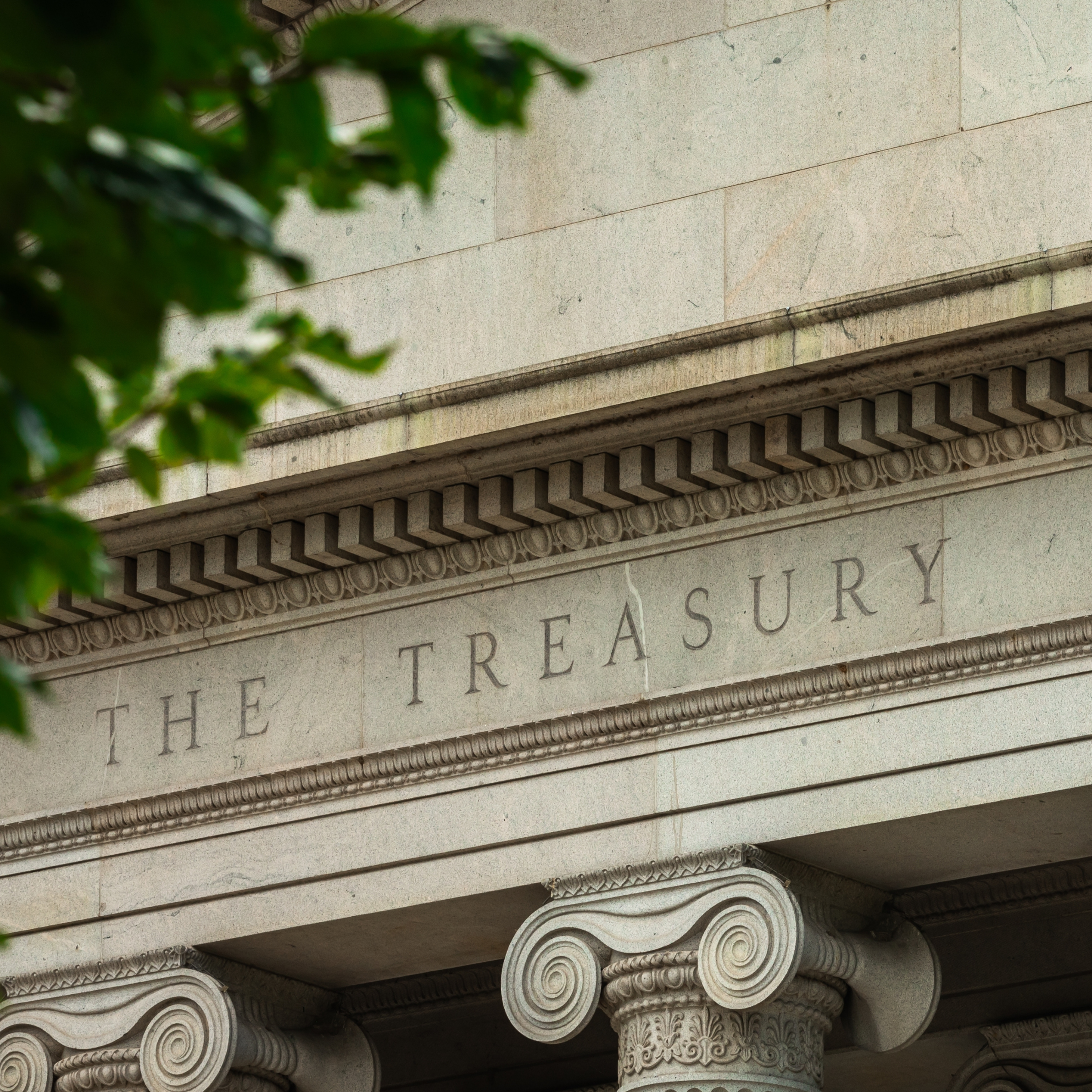
US government bonds came under sharp pressure on Monday, as hedge funds aggressively unwound risk and investors sought the safety of cash, triggering one of the steepest selloffs in Treasuries since the height of the Covid-19 crisis, according to a report by the Financial Times.
The report cites data from Bloomberg as highlighting that the benchmark 10-year Treasury yield spiked 19 basis points to 4.18% – the largest one-day jump since September 2022 – while the 30-year yield climbed 21 basis points, marking its sharpest move since March 2020.
The rout, which follows a $5tn plunge in global equities late last week, underscores the mounting pressure across markets in the wake of US President Donald Trump’s aggressive new tariffs targeting dozens of trading partners. Although Treasuries initially benefited from a classic flight-to-safety reaction, Monday’s price action showed risk aversion spreading even into the most defensive corners of the market.
Market participants point to a wave of deleveraging by hedge funds – particularly those involved in US Treasury basis trades, a strategy that exploits price discrepancies between cash bonds and futures — as a key driver of the move.
“Hedge funds have been liquidating US Treasury basis trades furiously,” said one hedge fund manager, describing widespread unwinds across fixed income. “The scale of the selling is destroying liquidity not just in Treasuries but across high-grade credit and agency MBS.”
The so-called basis trade has become increasingly popular among leveraged hedge fund strategies in recent years, making funds major players in the $29tn Treasury market. But with volatility surging and spreads narrowing, managers are now slashing positions to reduce risk and free up cash.
Gennadiy Goldberg, head of US rates strategy at TD Securities, called it an “everything, everywhere, all at once” type of move. “Multi-sector funds are trying to deleverage, which leads to a ‘sell everything’ trade,” he said.
The liquidity crunch isn’t limited to hedge funds. Traditional asset managers and institutional investors are also moving defensively, offloading fixed income positions to raise cash.
“The simplest explanation is investors selling what they can and hunkering down,” said Ed Al-Hussainy, senior rates strategist at Columbia Threadneedle Investments. “Selling equities now will lock in losses, so the lowest-hanging fruit is to raise cash by selling Treasuries.”
While Treasuries typically offer safe-haven protection in times of market stress, the current bout of volatility is forcing a broader rethink about risk management and portfolio construction — especially as hedge funds face margin pressures and growing redemption risk.
“There’s massive deleveraging going on — any source of liquidity is being tapped,” said the hedge fund manager.