Citadel CEO Ken Griffin has warned that the global economy could tip into recession if the Strait of Hormuz remains effectively closed for an extended period, highlighting the scale of macroeconomic risk stemming from ongoing Middle East tensions.
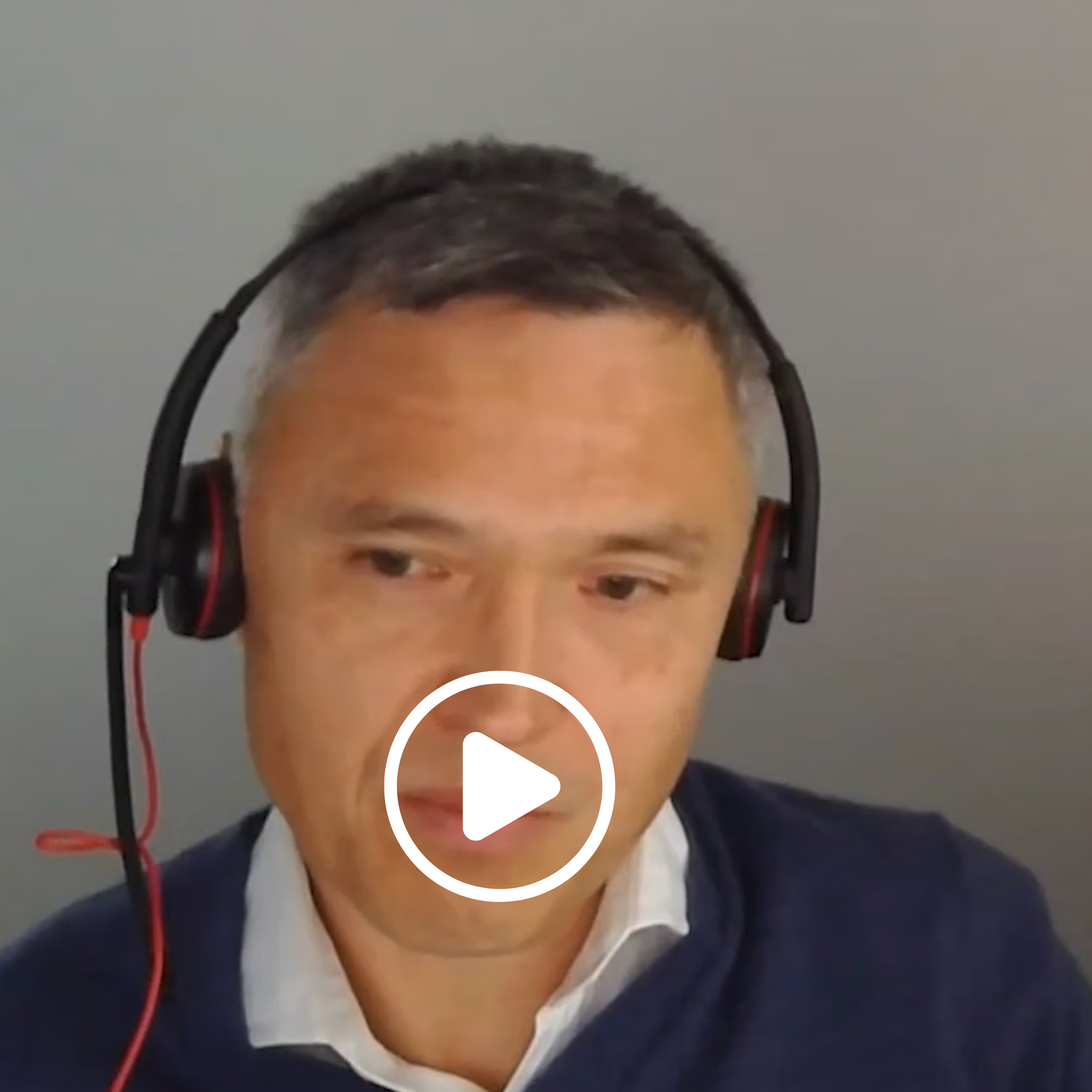
Speaking at the Semafor World Economy conference in Washington DC, Griffin said that Donald Trump is doing a “very poor job” of handling the Iran war he started, and that a sustained disruption to the key energy shipping route – lasting six to twelve months – would be enough to push the world economy into contraction.
He described the situation as a severe energy shock, stressing that uninterrupted oil and gas flows from the Gulf are essential to global stability. In his view, a prolonged blockage would leave policymakers with limited options and force difficult trade-offs between controlling inflation and supporting growth.
Griffin added that the disruption could also accelerate a structural shift in global energy markets, with greater investment likely flowing into alternatives such as nuclear, wind, and solar power as countries attempt to reduce dependence on Middle Eastern supply routes.
The Citadel chief’s comments come against a backdrop of heightened volatility in financial markets, with investors closely watching developments in the region and reassessing the likelihood that energy inflation could persist.
Oil prices remain elevated compared with pre-crisis levels, keeping pressure on global growth prospects, particularly in import-dependent economies in Asia and Europe.
While markets have shown resilience in recent weeks, Griffin suggested that current pricing may not fully reflect the risks associated with a prolonged disruption to one of the world’s most critical shipping corridors.