PARTNER CONTENT
Managing Director, Achim Denkel, discusses Formidium’s role creating scalable, resilient fund operations through intelligent automation.
Can you outline the industry trends that have been driving growth and development within your firm ?
Over the last decade, fund managers have invested heavily in technology. Most have digitised workflows, outsourced administration and implemented new reporting tools. Yet many operations teams still spend too much time moving data between systems, reconciling information and preparing reports rather than creating value.The next phase of transformation is no longer about adding another technology platform. It is about redesigning the operating model itself.
Across Europe, I see three structural trends that will define the industry over the next few years. The first is relentless cost pressure. Management fees continue to compress while investor expectations continue to rise. At the same time, firms face increasing regulatory obligations, more complex fund structures and growing reporting requirements. Simply adding more operational headcount is no longer a sustainable answer.
The second trend is regulatory complexity. Whether it is AIFMD II, digital asset regulation or increasinglysophisticated investor reporting requirements, managers need consistent, transparent and auditable processes. Compliance can no longer be treated as a separate activity. It has to become part of everyday operations.
Finally, the industry faces a talent challenge. Experienced fund operations professionals remain difficult to recruit, and the best people increasingly expect technology to remove repetitive administrative work rather than define their daily responsibilities. These trends all point towards the same conclusion: operational efficiency is becoming a strategic differentiator rather than simply a cost centre.
What has the firm’s response been in terms of your service offering ?
At Formidium, our response has never been to automate individual tasks. Instead, we focus on building integrated workflows where automation becomes part of the entire operating process. Artificial intelligence is often discussed as though it will replace people. In reality, I believe its greatest contribution is changing how skilled professionals spend their time.
The objective should never be full automation for its own sake. The objective should be intelligent automation that handles routine processes while directing experienced professionals towards exceptions, judgement and client interaction.
That fundamentally changes the role of fund operations.Instead of spending hours reconciling data, validating reports or manually coordinating information across multiple systems, operations teams can concentrate on risk management, investor service and strategic decision-making. This shift becomes particularly valuable during periods of market volatility.
Over the past year we have seen that firms with highly automated operating environments were able to maintain reporting quality while responding much faster to changing market conditions. Reliable data creates confidence, and confidence is essential when markets become uncertain.
Looking forward, what will separate the winners and the losers in fund administration ?
I believe the winners in fund administration will not simply be those offering the most software features. They will be the firms capable of combining technology, operational expertise and regulatory understanding into one integrated operating model. Technology should become almost invisible. Clients should not notice the automation itself – they should notice faster decisions, higher quality data, lower operational risk and greater scalability. That is ultimately what innovation should achieve. For me, the future of fund administration is not defined by artificial intelligence alone.It is defined by intelligent operating models that allow talented people to focus on the work that creates the greatest value for investors.
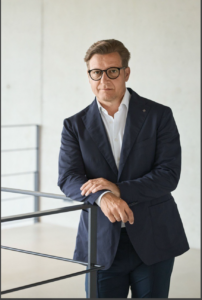 Achim Denkel, Managing Director Europe, Formidium