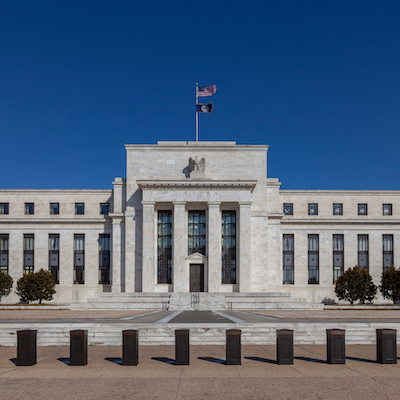
Citadel Securities has warned that the Federal Reserve risks falling behind the curve on inflation, arguing that policymakers should lean closer toward additional rate hikes as price pressures re-emerge across the US economy, according to a report from Bloomberg.
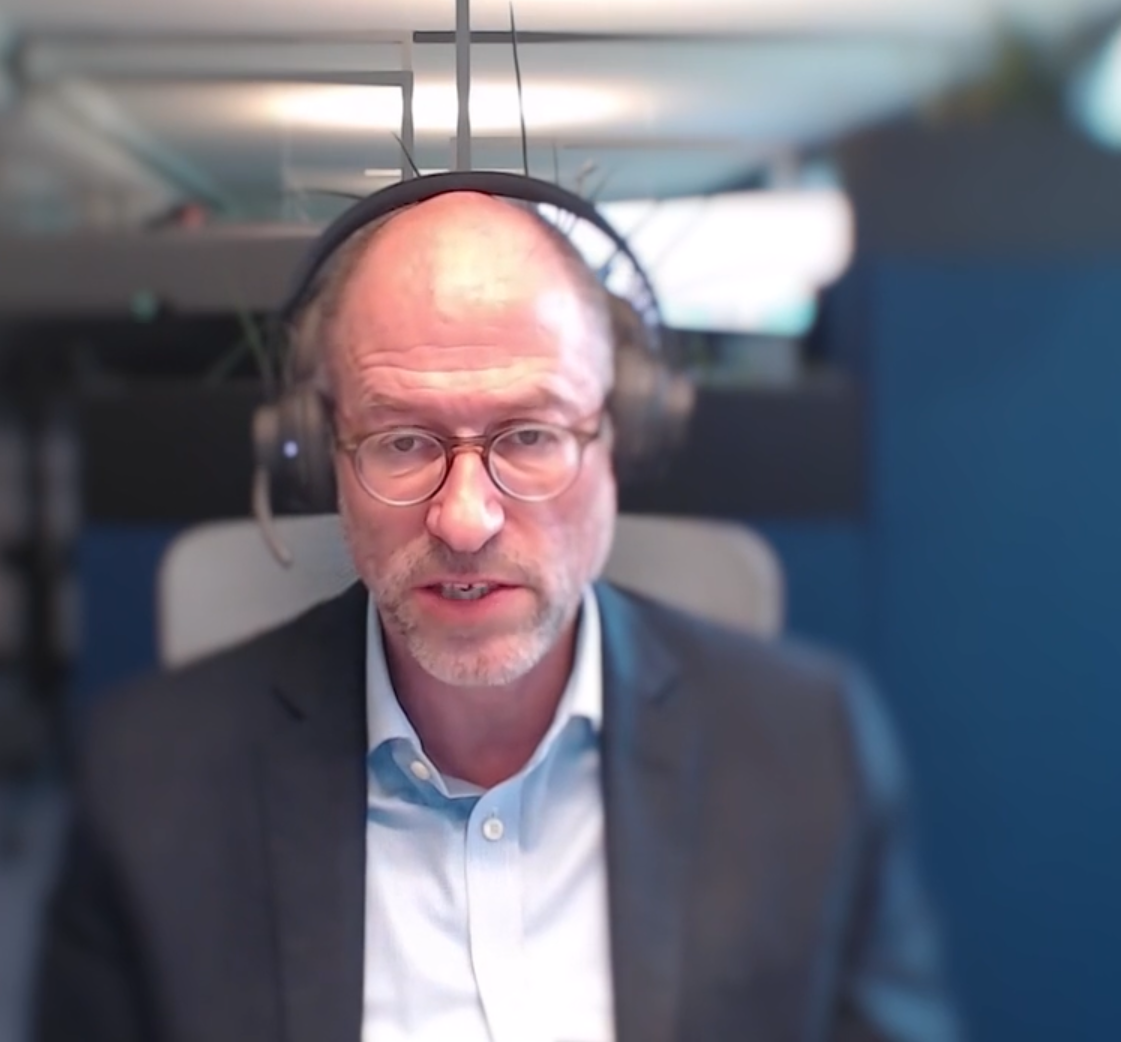
Nohshad Shah, head of EMEA fixed-income sales at the market-making giant, said inflation — rather than labour-market weakness — now represents the primary macroeconomic threat facing policymakers.
“Inflation, not the labour market, is the greater risk,” Shah said. “The Fed should take note and adjust its stance soon, lest it get behind the curve.”
The comments come as oil prices have surged following the escalation of tensions between the US and Iran, fuelling what Shah described as the sharpest inflation impulse since 2023. At the same time, easier financial conditions driven by equity-market gains and booming AI-related investment are supporting stronger-than-expected economic growth.
According to Citadel’s modelling, current Fed policy rates are already close to neutral — a level that neither stimulates nor restrains the economy — a stance Shah said appears inconsistent with resilient market pricing and continued expansionary conditions.
The warning adds to a growing chorus of concern among former and current policymakers. Former New York Fed president Bill Dudley told Bloomberg Television this week that the central bank risks damaging its credibility as an inflation fighter after failing to return inflation to its longstanding 2% target in the post-pandemic period.
Recent US consumer price data have reinforced those concerns, with CPI inflation accelerating to 3.8% year-on-year in April.
Labour-market dynamics are also proving more resilient than expected. Shah noted that weekly ADP employment data imply private-sector hiring remains consistent with monthly payroll gains of 170,000 to 180,000 jobs.
At the same time, tighter immigration policy may have lowered the breakeven pace of payroll growth needed to keep unemployment stable, increasing the risk that continued hiring strength could reignite wage pressures.
“In that scenario,” Shah said, “rate hikes would become difficult for any Fed chair to avoid.”