Digital asset exchange Bitfinex has the most liquid bitcoin and ethereum pairs, based upon order book depth analysis by The Block.While trading volume is a headline figure showcased by many cryptocurrency exchanges, the level of liquidity offers a far more valuable insight into the quality of trade execution and transaction costs, particularly in the turbulent conditions that have characterised recent cryptocurrency markets. High liquidity provides traders with tighter spreads and lower slippage.
The Block’s research, which analysed the order book depth for US Dollar pairs for bitcoin, ethereum and ripple’s XRP on 21 leading cryptocurrency exchanges, found that Bitfinex has
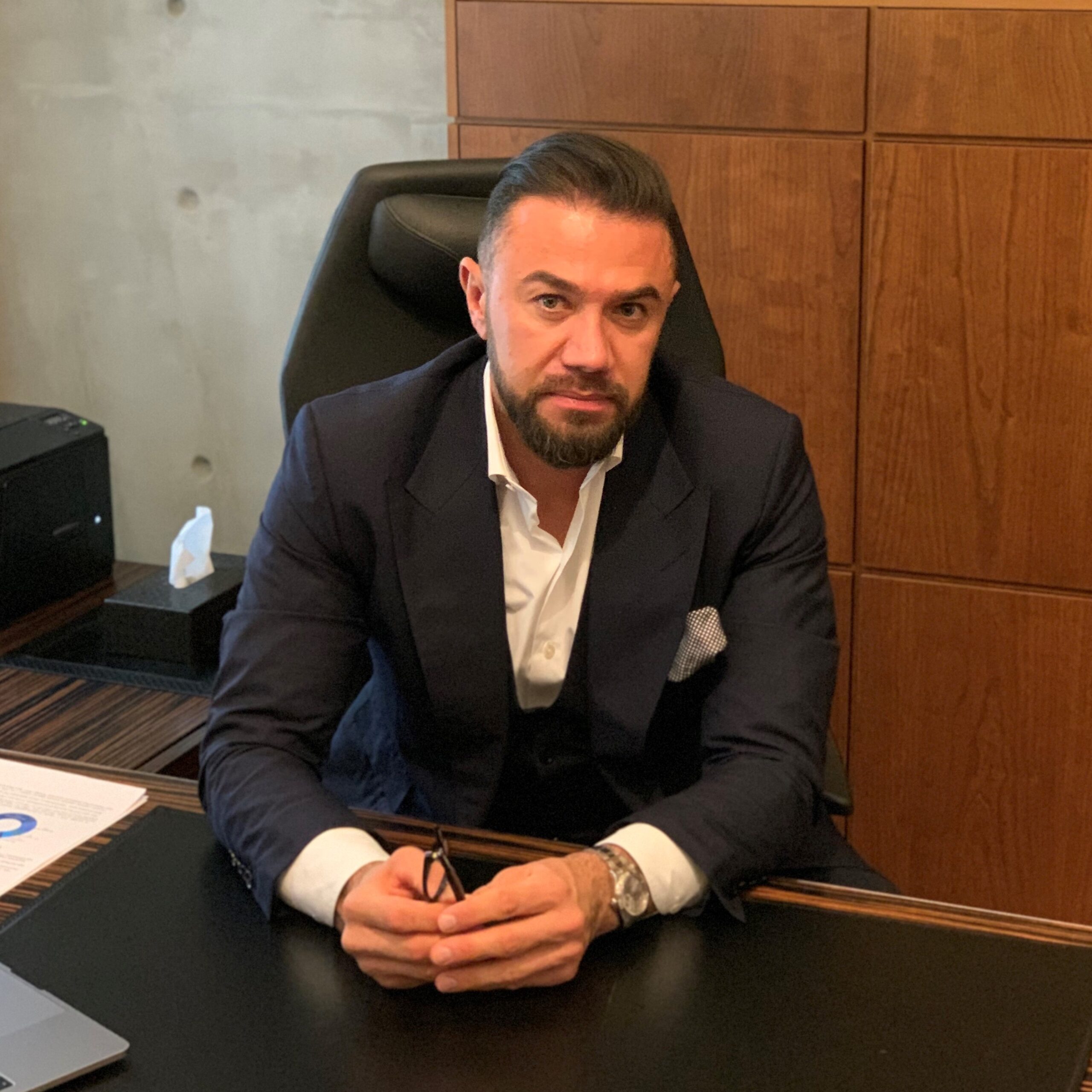
Named after the riverside district in central Moscow, Balchug Capital – the long/short emerging market equities and fixed income investment manager launched by David Amaryan in 2009 – focuses on event driven and value-based opportunities predominantly in Russia and the former Soviet Union.
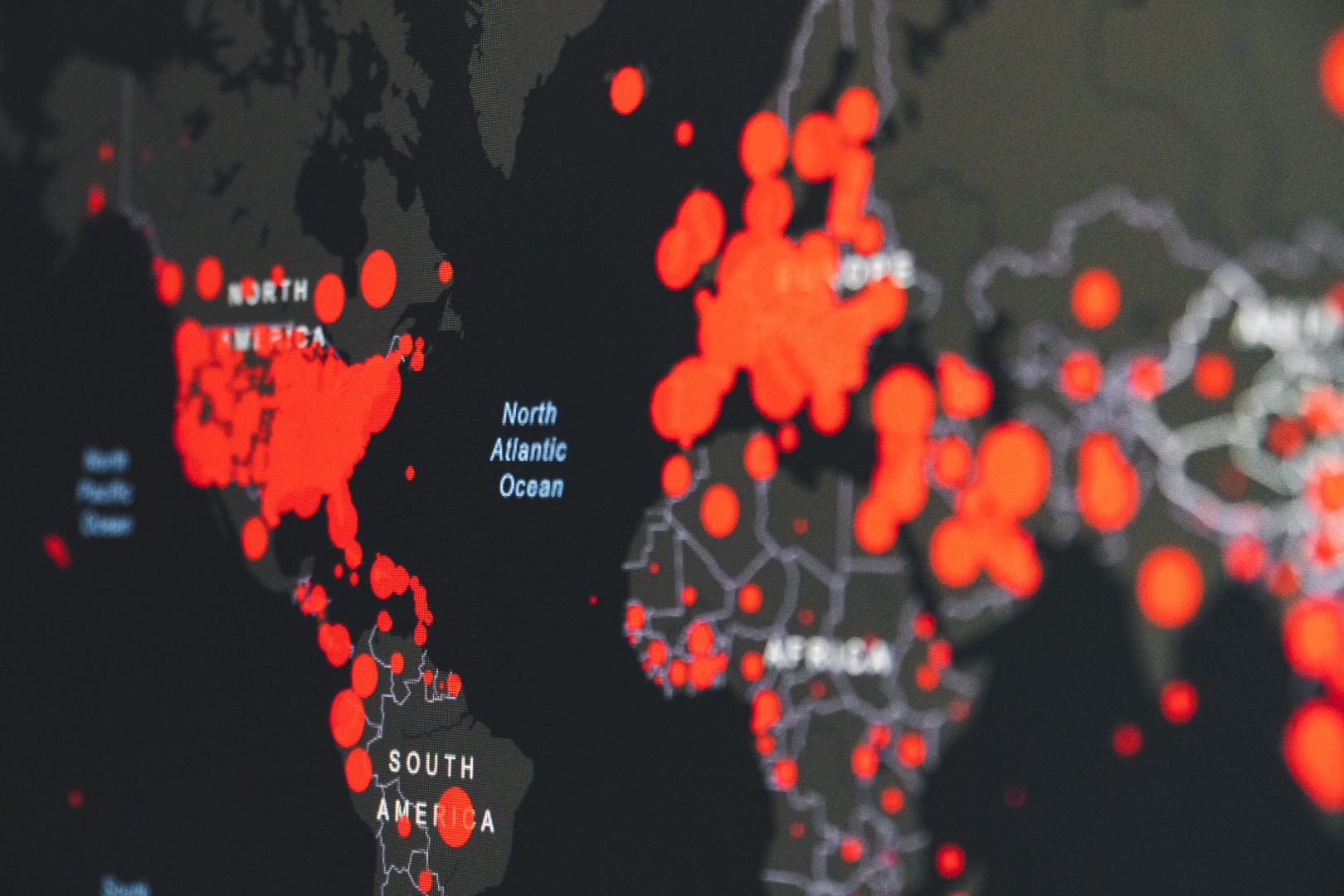
Hedge funds trading emerging markets strategies face major dispersion in their assets, as the impact of Covid-19 – and the resulting government responses – diverges sharply across different regions and countries.
New analysis by Lyxor Asset Management this week pointed to “uneven recovery prospects” across different EM countries and markets following the pandemic, stemming from various factors including differing regional responses to the crisis, business cycles, government support for economies, and reliance on oil markets, among other things.
Emerging markets-focused hedge funds lost 8.5 per cent last month, according to Lyxor stats, as the dramatic sell-off in developed markets spread
Last month, the impact of coronavirus caused stock markets to plummet. This led to a huge spike in volatility, with the VIX Index hitting a high of 82.69 on 16 March, benefiting macro strategies (according to the latest Q1 performance figures) as well as statistical arbitrage strategies like New Jersey-based Blueshift Asset Management.
Align: Best Outsourced IT Provider – Technology is playing a key role in the delivery of compliance within the world of hedge funds and managers are becoming more pro-active in understanding how technology can help them meet these challenges.
As hedge funds continue to feel both regulatory and investor ODD pressure regarding its information technology infrastructure, managed service providers are being forced to bolster their offerings to support managers in tackling cyber-security and compliance challenges.
According to Vinod Paul (pictured), chief operating office at Align, clients are demonstrating a sharper need for more detailed information and support in the realm of
Constellation Advisers: Best Outsourced Accounting Firm – The increase in transparency demands within the investment industry has led to an upshot in business for firms offering due diligence assessments. Carrying out this work allows these due diligence practitioners to be at the forefront of evolving industry best practice.
“We anticipate that hedge funds will continue to face increased infrastructure, reporting and regulatory requirements by institutional investors, a tough capital raising climate and continued fee compression. As such, managers will have to take a serious look at how they are currently operating their business,” says Greg Farrington, President of Constellation Advisers.
Firms
Cowen Outsourced Trading: Best Outsourced Trading Solution – As hedge fund managers continue to focus on reducing cost and fostering a greater emphasis on their core competency, the industry is seeing a move as existing funds explore outsourced solutions to either supplement their internal trading operations or at times completely replace them.
Jack Seibald (pictured), Managing Director at Cowen, says the firm has experienced this trend directly, onboarding some notable current hedge funds with this service. “The dramatic changes taking place in the structure of the markets, particularly the equity markets, means far fewer issuers now trade publicly, compared to a
Crestbridge: Best Regulatory Advisory & Compliance Firm – The advent of the Alternative Investment Fund Managers Directive (AIFMD) changed the landscape of the financial industry dramatically, ushering in a stronger focus on regulatory compliance and increased governance requirements. In light of these developments, service providers have witnessed a shift from unregulated structures to funds, generally managed by an AIFM to gain access to the European passport. Daniela Klasén-Martin, managing director, Crestbridge, shares her views: “We anticipate that the regulatory trend will continue and that with increased scrutiny from regulators, managers will have to invest in additional resources covering for independent control functions.
AlternativeSoft Analytical Investment Solutions: Best Risk Management Software – As the industry witnesses fading differentiations between long-only, private equity and hedge funds, investors are starting to purchase software and databases which combine all these investment types – long only, private equity and hedge funds. In this environment, the combination of quality client service, free training and customisable fact sheets coupled with ease of use and an attractive interface has seen AlternativeSoft go from strength to strength. The quantitative analytics software firm has seen its revenues increase organically by more than 30 per cent in last 2 years and has opened a New