Solutions
For asset managers, the past 18 months have been a rollercoaster ride as the pandemic has forced them to embrace new ways of working.
The implications have been profound as it has become more critical than ever for management firms to offer staff – everyone from portfolio managers to back office teams – the ability to access essential systems remotely. Many firms which were unable to do this initially have found themselves scrambling to update their technology. But the surge in home working has also fuelled mounting fears over cybersecurity.
How can asset managers ensure their systems are as safe
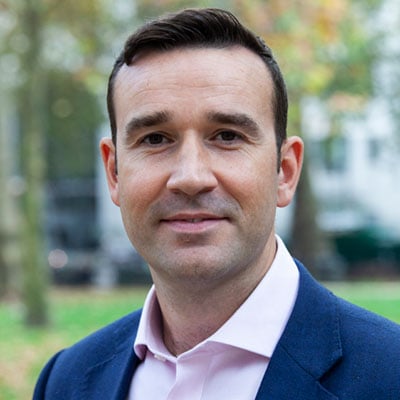
“What we have seen in 2021 is an acceleration in the adoption of cloud-based infrastructure,” says Alex Dobson (pictured), SVP of Product at global financial technology and professional services firm Arcesium.
“The pandemic certainly played a role as firms that leveraged cloud-based technology adapted to the challenges of being fully remote. As firms struggled to manage legacy in-house infrastructure, a cloud-first approach went from being a choice to the choice for many of these firms.”
However, for many asset managers, the migration to the cloud can be a daunting prospect.
While the process of shifting operations from in-house technology to
By Justin Casenta, SS&C Eze –Front-office technology has evolved. Hedge funds today need a sophisticated front-office engine to differentiate their business. But many systems aren’t equipped to keep pace with innovations designed to streamline trading processes.
All-in-one, not one-size-fits-all
We often hear an “all-in-one” system is what’s required to meet investor demands. But it’s rarely a one-size-fits-all. However, careful technological due diligence can help ensure the system you choose has the necessary advanced trading tools your front office needs to stay ahead.
Even as order management and execution management systems continue to converge, how the consolidated systems work together

There’s no question that over the past 18 months, the pandemic has changed the way asset managers operate. Traditionally, fund managers would have done many things in-house with their teams. However, these days, they are increasingly seeking to outsource activities to a third party.
Ben Goderski, Sales Director at SS&C Advent, has witnessed this phenomenon first-hand. He says many funds are pushing to minimise costs by reducing their technology footprint and evaluating new and more innovative ways of doing business.
Above all, they are eager to do more with a small team, who can then concentrate on the core elements
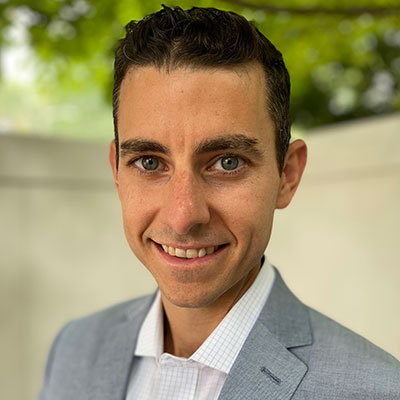
In this exclusive Q&A with Hedgeweek, Daniel Johnson (pictured), Senior Vice President, EMEA Fund Services for SS&C Technologies, explains the surge of interest in ESG investments – and examines the growing role ESG data is playing in helping shape asset management decisions.
Is ESG investment a new trend?
Not at all. More than 200 years ago, it began with Socially Responsible Investing (SRI). In the last 20 or 30 years, SRI has moved on significantly.
In 2006, the UN published its Principles for Responsible Investing (PRI). Then, in 2015, its Sustainable Development Goals said we should be using capital in a more productive way
By Robin Pagnamenta – It’s been a year that many of us would probably prefer to forget, but for asset managers the pandemic has turbocharged many underlying technology trends that were already in place before anyone had ever heard of Covid-19. The migration of more and more activities onto the cloud has been underway for years, of course – propelled above all by the sheer volumes of data which asset managers now juggle daily in order to shape their investment decisions.
But those firms which had already shifted many of their activities into cloud-based solutions well before the pandemic hit last
Following the Alternative Reference Rates Committee’s (ARRC) March 2021 announcement that it had selected Refinitiv to publish its recommended spread adjustments and spread adjusted rates for cash products, Refinitiv has launched a prototype rate.
The Refinitiv USD IBOR Cash Fallbacks, as the rates will be known, will leverage the firm’s extensive experience in administering benchmarks, such as Refinitiv Term SONIA, to create a family of US Dollar (USD) fallback rates for use in cash markets.
The London InterBank Offered Rate (LIBOR) underpins hundreds of trillions of dollars of financial instruments and contracts, making it one of the most widely
In a drive to better serve its clients and increase transparency and understanding of private markets, Preqin — a specialist in alternative assets data, analytics and insights — has acquired Colmore, a private markets technology, services and administration business.
Preqin supports more than 110,000 professionals globally in raising capital, sourcing deals and investments and understanding performance by providing them with the most comprehensive alternative assets data and insights. Colmore’s key solutions include portfolio monitoring, analytics, fee tracking and validation, and fund administration services for its LP and allocator clients. The rapidly growing business monitors more than 3,000 private market funds