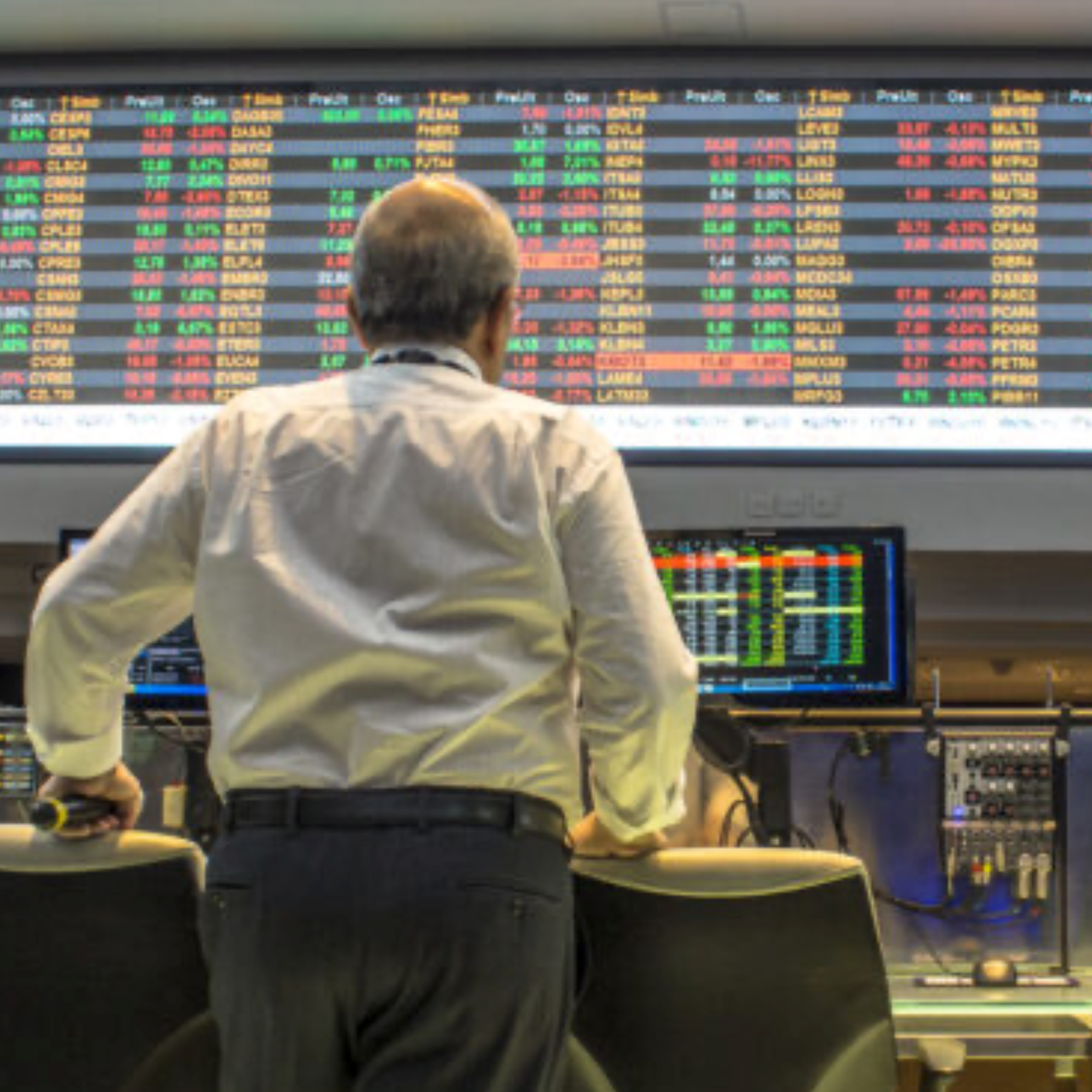
US equity futures edged lower and Treasury yields were broadly steady on Friday as investors held back from making major moves ahead of Federal Reserve Chair Kevin Warsh’s closely watched speech at the Jackson Hole symposium, according to a report by Bloomberg.
Nasdaq 100 futures fell 0.3%, with enthusiasm over Nvidia’s upbeat outlook beginning to fade following Thursday’s sharp rally in technology stocks. Shares of Marvell Technology dropped more than 7% in after-hours trading after the chipmaker released its latest earnings.
Asian equities advanced 0.2%, while European stocks were also positioned for a modestly higher open.
The focus for investors is firmly on Warsh, whose address at the Fed’s annual gathering in Wyoming could provide important clues about the direction of monetary policy. Markets are particularly interested in how the central bank intends to balance stubborn inflation against signs of a slowing economy.
Treasury yields held around Thursday’s levels after rising by two to three basis points across the curve in the previous session. The two-year Treasury yield, which is particularly sensitive to expectations for Fed policy, was little changed at 4.23%, while the 10-year yield stood around 4.68%. The dollar was also broadly flat.
The muted trading suggested investors were reluctant to build significant positions before Warsh speaks. A stronger-than-expected hawkish message could extend the recent selloff in longer-dated government bonds, while greater clarity around the Fed’s inflation strategy could help ease some of the pressure on long-term yields.
The Fed left its benchmark interest rate unchanged at 3.5% to 3.75% at its most recent meeting, although futures markets are currently pricing in a quarter-point increase by the end of the year. Kansas City Fed President Jeff Schmid has meanwhile said monetary policy is not currently acting as a drag on the economy.
Investors may not get the explicit policy guidance some are hoping for. Warsh has generally avoided offering detailed forward guidance. Instead, he could use the Jackson Hole address to discuss early conclusions from five Fed task forces examining areas including communications, the central bank’s balance sheet, economic data, productivity and employment, and its inflation framework.