Saba Capital Management founder Boaz Weinstein has warned that the global credit markets could be facing an “avalanche” of stress, as escalating trade tensions threaten to accelerate bond market declines and trigger a sharp uptick in corporate bankruptcies, according to a report by Bloomberg.
Speaking in a interview set to air as part of the Bullish series, Weinstein cautioned that inflation driven by President Donald Trump’s sweeping new tariffs could limit the Federal Reserve’s ability to respond to further economic shocks — potentially laying the groundwork for a severe recession.
“The avalanche has really just started,” said Weinstein. “The hit could be faster and the bankruptcy rate could spike much faster than in other crises.”
Weinstein, whose hedge fund is known for its expertise in volatile and dislocated markets, said he expects the current selloff in credit to intensify in the coming weeks.
“There might be something in between that stops the boulder, but I’m very concerned about a crash,” he added.
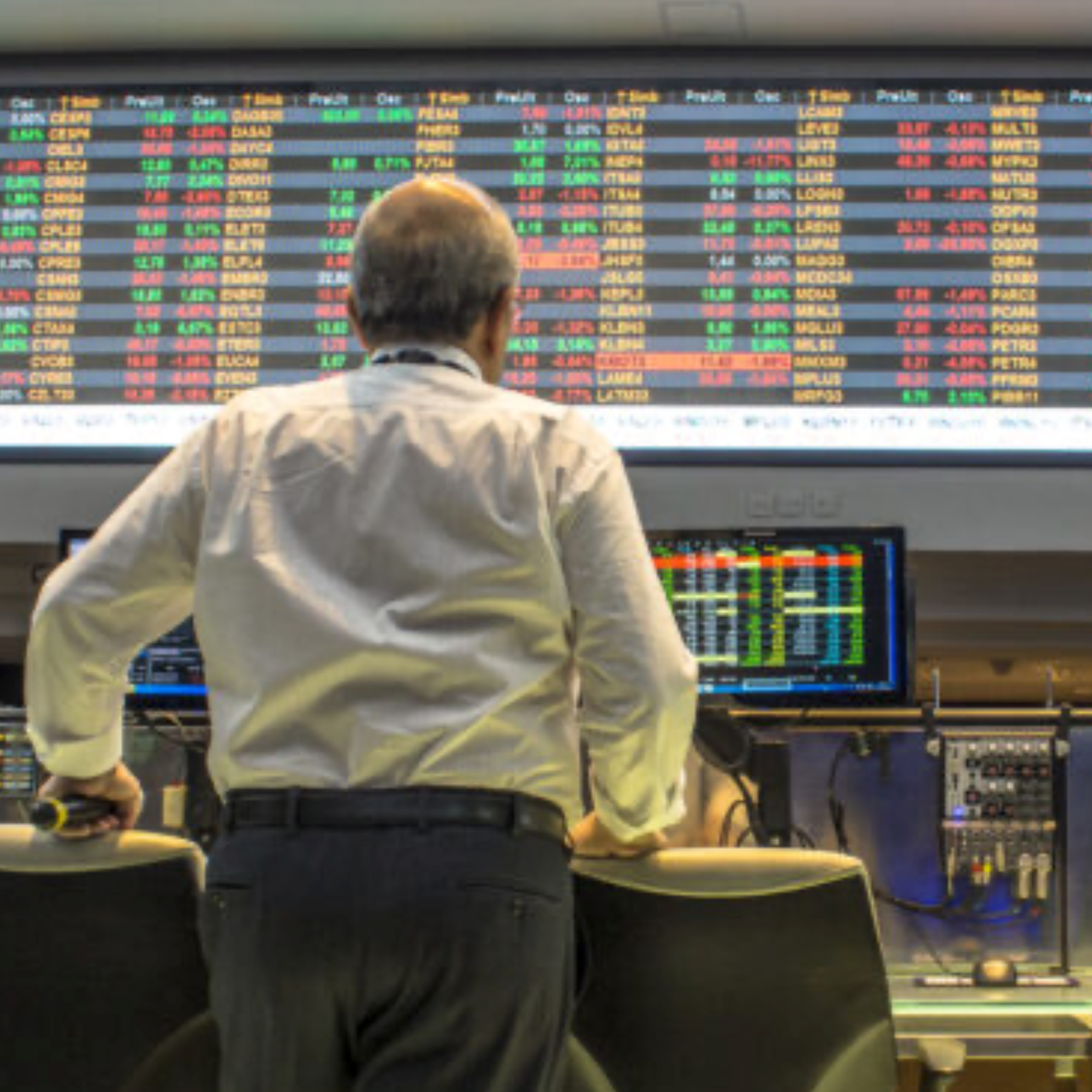
The warning comes amid a broad market rout triggered by Trump’s decision to impose tariffs on goods from 60 countries, including key US trading partners like China and the EU. The move has rattled global markets and reversed decades of liberalised trade policy, sending equity futures and bond markets into disarray.
US equity futures dropped sharply at the start of the week, with S&P 500 contracts down 2% early Monday, while global stocks tumbled. The S&P 500 index suffered its worst two-day slump since the onset of the Covid-19 pandemic, wiping out $5tn in value.
Weinstein joins a growing number of asset managers and strategists revising their economic outlooks downward. JPMorgan economists recently raised the probability of a global recession to 60%, while credit risk indicators continue to rise.
“Maybe it’s not a buy the dip,” said Weinstein. “Maybe it’s a phrase no one ever used before — sell the dip — because this is not going to get fixed tomorrow.”
While Saba is best known in recent years for its activist campaigns targeting closed-end funds, the firm has long maintained a tail-risk strategy focused on market dislocations. Weinstein’s approach often involves positioning in credit-default swaps (CDS), a strategy that helped define his career — most famously when he took the other side of JPMorgan’s ‘London Whale’ trades in 2012.
Credit default swaps on investment-grade debt surged last week by the most since the regional banking crisis of 2023, signalling intensifying stress across credit markets. Meanwhile, global high-yield bonds posted their steepest one-day decline since the pandemic began, and more than $43bn in distressed debt has now entered territory where refinancing becomes increasingly difficult, according to Bloomberg data.
“This is really, really major,” Weinstein said. “The range of outcomes is so wide here, and markets started quite expensive — credit especially — so I think we could go a lot lower.”
Weinstein also pointed to the flattening of the credit curve — the spread between short- and long-term interest rates — as a key indicator of market uncertainty, particularly regarding medium-term economic risks.
“I think the risk in year three might be greater than year five,” he said.